Batteries, Chips, and the Midwest’s Comeback Tour
Welcome to 2026, when manufacturing stopped smelling like old oil and started smelling suspiciously like the future — and also like battery electrolyte if you stand too close. Three tectonic shifts are rearranging where the jobs are: the Semiconductor Fab frenzy, the Southeastern Battery Belt, and the Midwest’s high-tech resurrection. Buckle up We’re in for one heck of a ride.
The Semiconductor “Fab” Boom — Clean Rooms, Big Wallets, Zero Glam
The CHIPS cash hit the streets and fabs sprouted like mushrooms after a rainstorm. This is where precision nerds get paid to be picky about dust.
Texas: Samsung dusted off a $17B Taylor plant and Texas Instruments opened a 300mm fab in Sherman. Translation: high pay, long security checks, and air so clean you’ll ponder becoming a human silica wafer.
Arizona: TSMC is pouring billions like it’s Monopoly money. Phoenix is now a semiconductor oasis — if by oasis you mean very expensive water and even more expensive clean-room suits.
New York: Micron’s memory-chip plant proves you can have bagels and advanced memory fabrication in the same ZIP code.
Utah: TI’s Lehi investment means Utah isn’t just for skiing — it’s also for etching tiny, expensive rectangles.
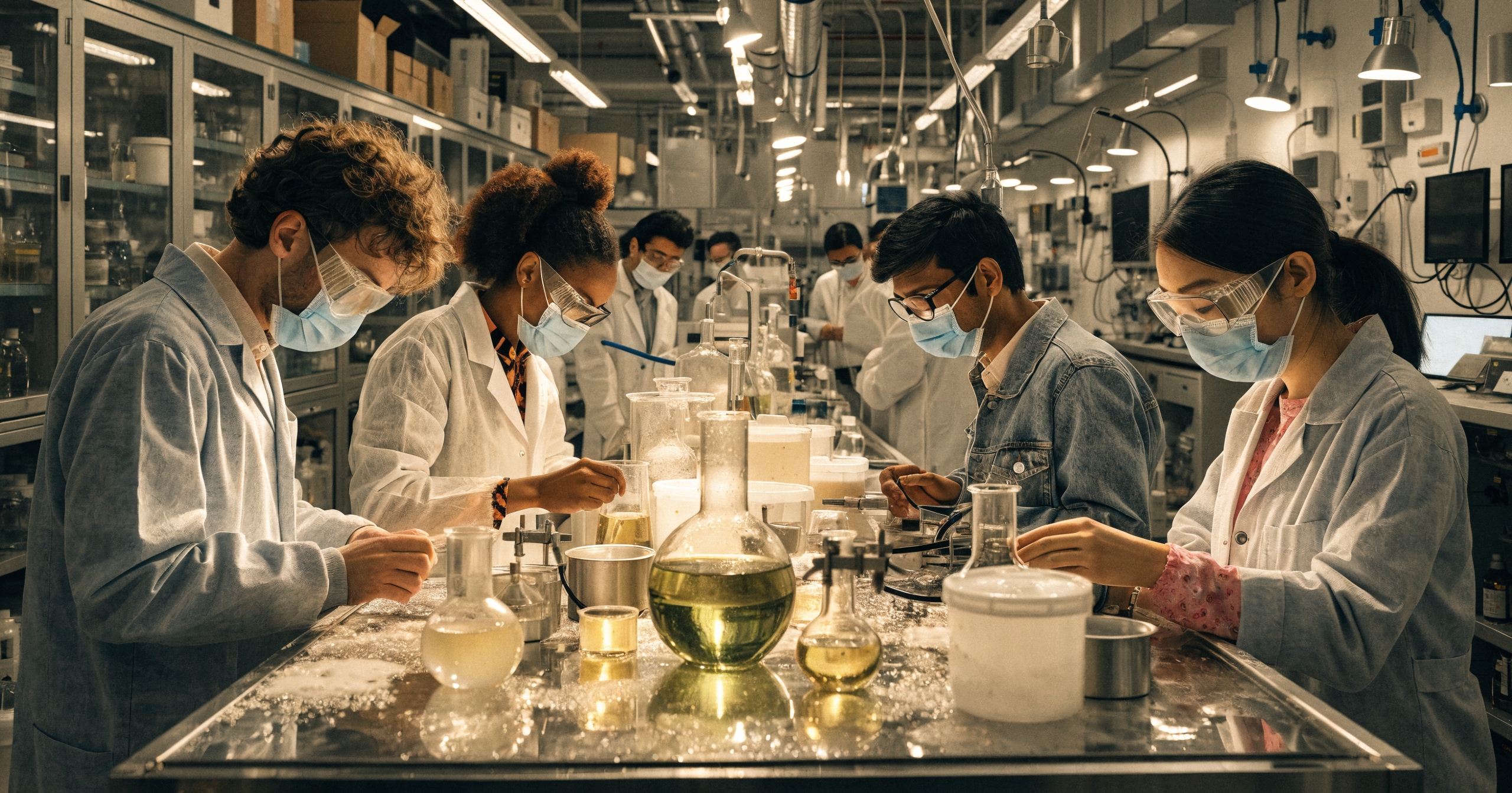
Jobs: process techs, yield engineers, maintenance wizards for machines that throw tantrums when a particle sneezes.
The Southeastern “Battery Belt” — Where EV Dreams Meet Gigantic Incentives
Section 45X turned the Southeast into Battery Central. It’s basically a Green Energy Block Party, sponsored by tax credits and the sound of forklifts.
Tennessee: Ford’s BlueOval City will be cranking out trucks and batteries in a way that makes my PowerPoint jealous.
Kentucky: Two Ford battery plants = lots of jobs, and even more people learning to say “gigawatt-hour” without flinching.
Georgia: Rivian and friends prove Georgia wants EV jobs as much as it wants peach cobbler references.
North Carolina: Toyota’s Randolph County site is shipping batteries and hiring thousands. Local coffee shops: prepare for a stimulus.
Jobs: battery assemblers, quality-control champions, people who can read a cell spec without crying.
Midwest & Industrial Heartland — Old-School Grit Upgraded With Software
The Midwest is getting a glow-up. Think diesel-to-digital: forklifts meet firmware.
Michigan & Ohio: Stellantis’s $13B expansion means EVs and batteries plus supply-chain roles. If you’ve got hands and a brain, they want you.
Indiana: Sneaking into the semiconductor game and plugging into the broader battery supply chain.
Alabama: Eli Lilly’s $6B pharma ingredient plant in Huntsville proves the South is playing chess while the Rust Belt remixes.
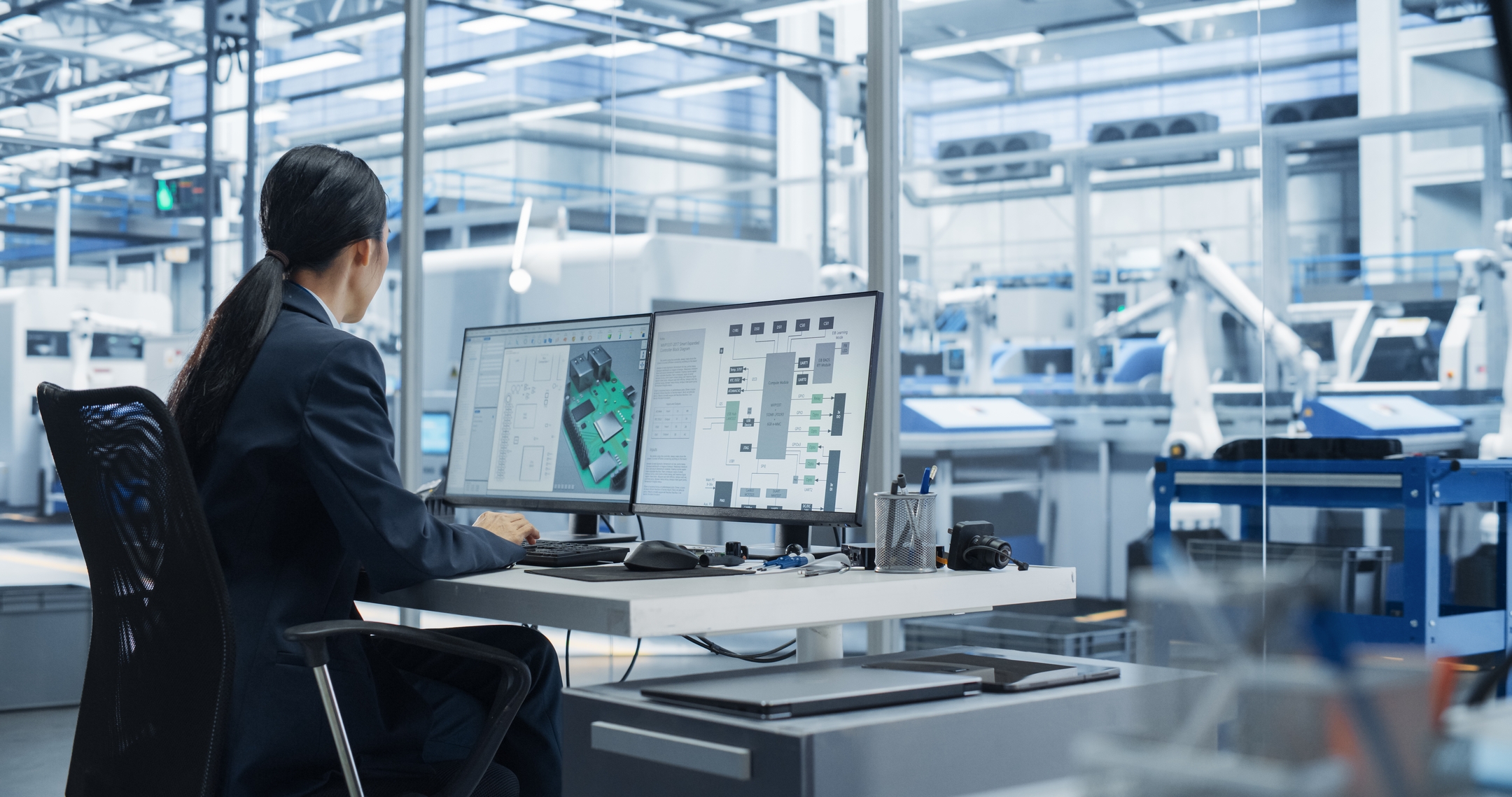
Jobs: robotics techs, industrial-AI ops, EV-assembly folks, and biotech operators who don’t mind sterile rooms and large paychecks.
Regional Cheat Sheet (so you don’t scroll back up)
Southwest (TX, AZ): Semiconductors — high-skill, higher pay, and occasional existential dread about nanometers.
Southeast (TN, KY, GA, NC, AL): Batteries, solar, pharma — lots of assembly, lots of hiring, and incentives for days.
Midwest (MI, OH, IN, IL): EVs + smart factories — nostalgia for muscle cars, updated with firmware.
Northeast (NY, PA): Advanced semiconductors & biotech — think higher education meets hard hats.
How This Actually Affects Humans (yes, you)
The crossover hires rule: welders who can talk to PLCs, electricians who disdain manual error, and operators who can troubleshoot robots without flinching.
Training is the new currency: Expect community-college bootcamps, corporate apprenticeships, and signage that says “We’ll teach you — bring caffeine.”
Move or miss out: Regions hiring aggressively will throw bonuses, relocation offers, and free sandwiches at you. Consider relocating your life decisions accordingly.
Salaries are rising for specialties: If you’re a process engineer, semiconductor tech, or pharma operator, your bank account will notice.
Parting Gift (a.k.a. the reality check)
Manufacturing in 2026 is less factory-grit, more factory-geek-chic. It’s noisy, strangely optimistic, and full of jobs that pay decently if you’re willing to trade a commute for climate-controlled production lines and mandatory safety briefings. The robots are shiny, but they still need humans — mostly to push the right buttons and blame when a sensor misbehaves.